NASA on Oct. 7 released the full lunar science dataset from Artemis II, its crewed flight around the Moon in April 2026, putting more than 800 gigabytes of images, video and crew audio into its public Planetary Data System (PDS). A preliminary science report published alongside the data describes five faint flashes from small rocks striking the Moon and the colors the astronauts picked out on its surface.
According to the NASA announcement, the release includes more than 11,000 full-resolution images and video of the Moon from the crew’s handheld cameras and the Orion spacecraft’s cameras, 8.5 hours of audio recordings of the crew’s observations of the lunar surface, and images the astronauts annotated themselves. Some of the data had not been released before.
The PDS Geosciences Node organizes the material into bundles. The crew camera bundle holds images of the Moon, Earth and deep space taken with handheld Nikon D5 and Nikon Z9 cameras. The Orion camera bundle draws on cameras mounted on the spacecraft’s solar array wings, a cabin camera, the optical navigation camera and the docking camera. A mission audio bundle contains the crew’s recorded observations, voice loops between Orion and Earth, transcripts and annotations, and a mission bundle includes a data user guide, a lunar targeting package and readings from two loggers that tracked temperature and humidity in Orion’s storage lockers. A bundle of SPICE data is listed as delayed, with no release date given.
The four astronauts, NASA’s Reid Wiseman, Victor Glover and Christina Koch and the Canadian Space Agency’s Jeremy Hansen, launched on April 1, 2026, at 22:35 UTC, according to the archive. Orion made its closest approach on the lunar far side on April 6, about 6,545 km above the surface, and splashed down in the Pacific Ocean on April 11 at 00:07 UTC.
What the crew saw
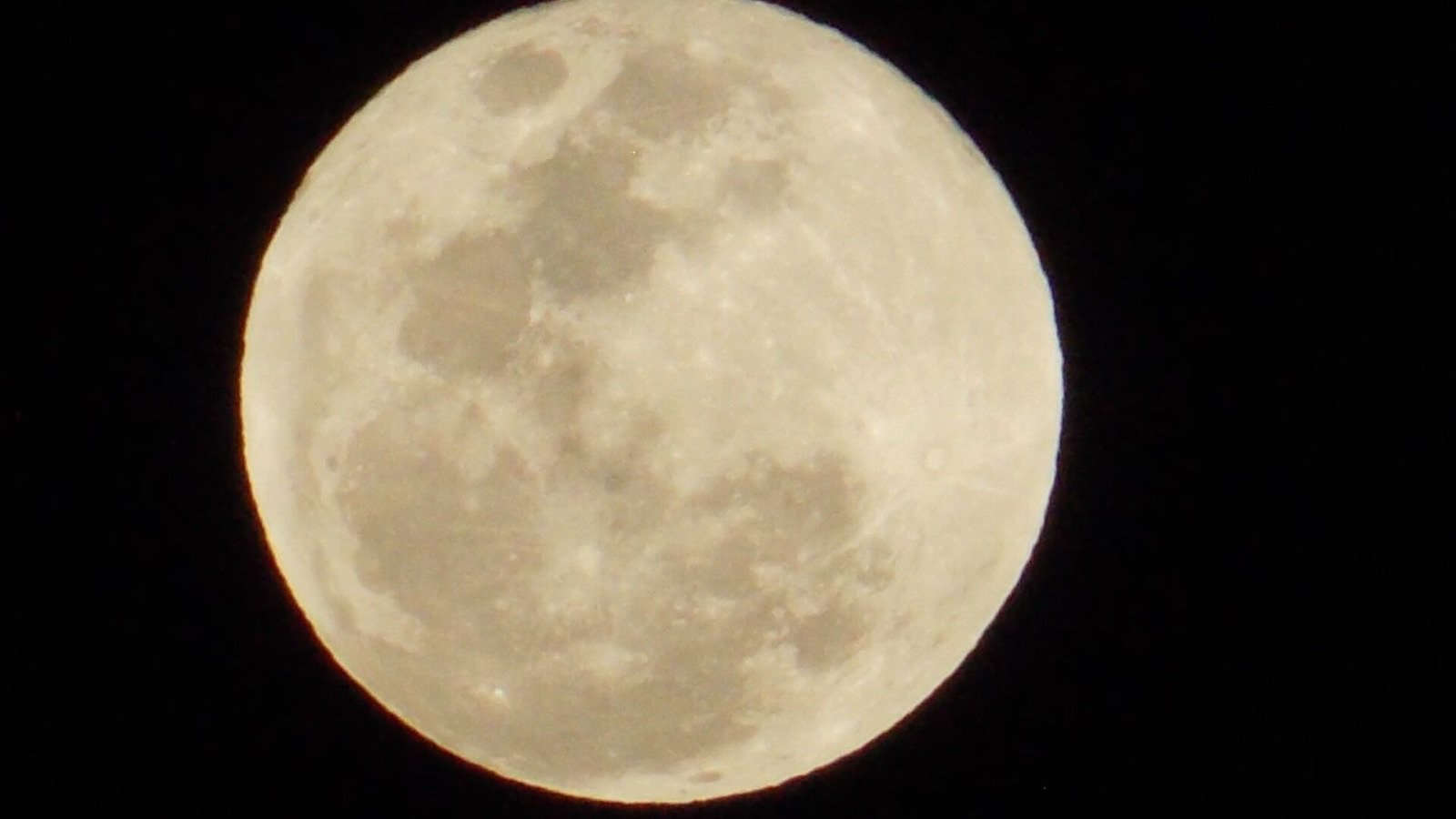
The Artemis II Preliminary Lunar Science Report says the crew spent about seven hours at Orion’s windows during the April 6 flyby and came within 4,067 miles of the surface. Lunar scientists had asked the astronauts to watch for impact flashes, and the crew reported five extremely faint “pinprick” bursts of light from 46,000 miles away. After ruling out cosmic rays and reflections from the spacecraft, the science team confirmed the sightings and estimated that the incoming rocks were each no more than a couple of inches wide. Apollo astronauts saw similar flashes from lunar orbit, but the report says the Artemis crew likely caught the faintest ever seen.
The crew photographed the Orientale basin, which the report describes as one of the largest impact craters on the Moon, and their photos have been matched to precise locations and laid over a global Moon map made from Lunar Reconnaissance Orbiter (LRO) camera data. Along the terminator, the boundary between lunar day and night, the crew studied rugged terrain; one terminator view in the report centers on Carnot, a crater nearly 80 miles wide. Pilot Victor Glover called the terminator “the most striking thing that I’ve seen so far.”
The crew reported subtle hues of gray, black, brown, tan, white, green and blue across the surface, and the report ties those colors to composition: “Blues point to titanium-rich volcanic rocks, while browns reflect varying levels of iron,” while greens signal glass formed during volcanic eruptions or asteroid impacts. During a solar eclipse seen from Orion, with the Sun blotted out for nearly an hour, the crew could study faint targets including Mars, Saturn, galaxies and stars, and had what the report calls an unprecedented view of the corona, the Sun’s faint outer atmosphere.
Why it matters
Placing the dataset in the PDS, which NASA describes as the public archive for its planetary missions, means outside researchers and members of the public can work with the same images and recordings as the mission’s lunar science team. Each bundle listed on the archive page carries a digital object identifier (DOI) for citation.
NASA released three publications with the data: the preliminary science report, a lunar science operations report describing how the science plan was developed and carried out, and a data user guide. The agency said they inform its planning for Artemis III and beyond. The report page adds that the terminator was studied partly because its lighting resembles conditions at the lunar South Pole, and that the mission tested new science operations teams, facilities, training approaches and flight controller roles.
The caveats
The science report is labeled preliminary, and NASA does not say it has been peer reviewed. The findings summarized on the report page come largely from the crew’s photographs, audio notes and visual observations. NASA also says accessible versions of the full reports are still being prepared and that crew audio was lightly edited for length and clarity.
Corrections and tips: email the editor using the address on the Contact page.