Large language models learn by predicting the next token across vast amounts of text, then are fine-tuned with human feedback. Here is each stage, drawn from the original papers and NIST guidance.
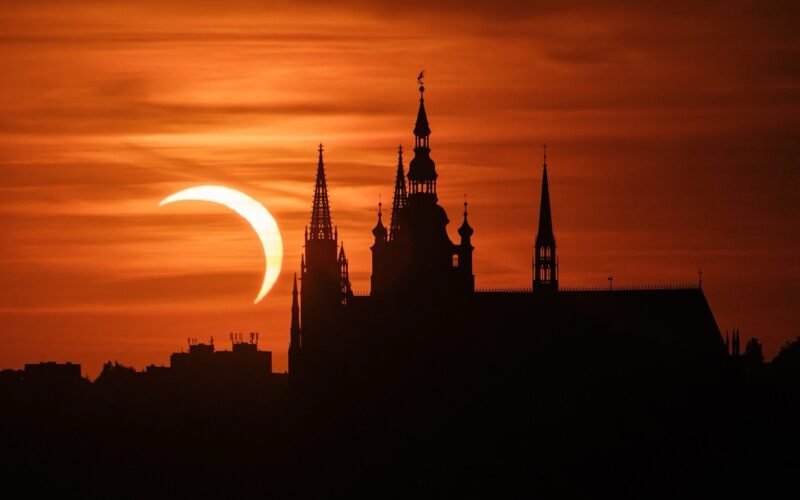
Why solar eclipses happen only a few times a year, what observers see from first contact to totality, and NASA's dates for the next total solar eclipses in 2027, 2028 and 2030.
GPS receivers find their position by timing signals from satellites 20,200 km up. Without relativity corrections, those satellite clocks would run fast by about 38 microseconds a day and fixes would drift.
A heat pump uses a refrigerant cycle to pull heat from outdoor air, the ground or water and move it indoors, then runs the same cycle in reverse to cool. Here is how it works and how efficient it is.
Lithium-ion batteries lose capacity with both time and use. Here is what national-lab researchers and a major device maker say drives that wear, and which charging and storage habits slow it.