A heat pump heats a home in winter and cools it in summer with one machine, and it does both by moving heat rather than making it. This explainer follows the refrigerant cycle step by step, sets out how efficient the machines are according to government and international energy agencies, and covers the problems buyers most often run into.
1. The basic idea: move heat, don’t make it
“Like your refrigerator, heat pumps use electricity to transfer heat from a cool space to a warm space,” the US Department of Energy (DOE) explains. In cold seasons a heat pump moves heat from the cool outdoors into the warm home; in warm seasons it moves heat from the home to the outdoors. Because it transfers heat instead of generating it, DOE says, it is significantly more efficient than traditional heating systems.
The heat can come from several places. The International Energy Agency (IEA) lists the surrounding air, geothermal energy stored in the ground, nearby water and waste heat from a factory. Even cold air holds some heat: the IEA notes that heat energy is present whenever the temperature is above absolute zero, 0 kelvin or −273 °C.
2. The cycle, step by step
- Circulate. A compressor moves a refrigerant through a refrigeration cycle, while one heat exchanger extracts heat from the source and another passes it on, according to the IEA.
- Absorb. At low pressure the refrigerant readily absorbs heat from the air and evaporates from a liquid into a gas, ENERGY STAR, a US government efficiency program, explains. In winter, the outdoor air has more energy than the cold, low-pressure refrigerant, so heat flows into it even on cold days.
- Pressurize. The gas is then pressurized, which raises its temperature.
- Release. Piped indoors, the hot refrigerant warms the air inside, gives up its heat and condenses back into a liquid, and the cycle repeats. The IEA notes that buildings receive the heat through forced air or through water-based systems such as radiators or under-floor heating.
- Reverse for summer. In the summer months, ENERGY STAR says, a heat pump works just like a standard air conditioner, absorbing unwanted heat indoors and transferring it outside.
3. How efficient it is
One yardstick is the coefficient of performance (COP). The IEA puts the COP of a typical household heat pump at around four, meaning its heat output is four times greater than the electrical energy used to run it. That makes current models three to five times more energy efficient than gas boilers, the agency says.
DOE says modern air-source heat pumps can reduce electricity use by 50% compared with furnaces and baseboard heaters, and geothermal units can reduce energy use by 30% to 60%. A DOE Office of Policy summary of peer-reviewed research from two national laboratories found that for over 90% of the roughly 110 million American households assessed, replacing worn-out heating equipment with the right heat pump would save on energy bills. Average savings were around $300 a year for Arizona homes best suited to an ENERGY STAR variable-speed air-source model, and $1,500 a year for Michigan homes heating with propane or electricity that switched to a cold-climate model.
4. The main types
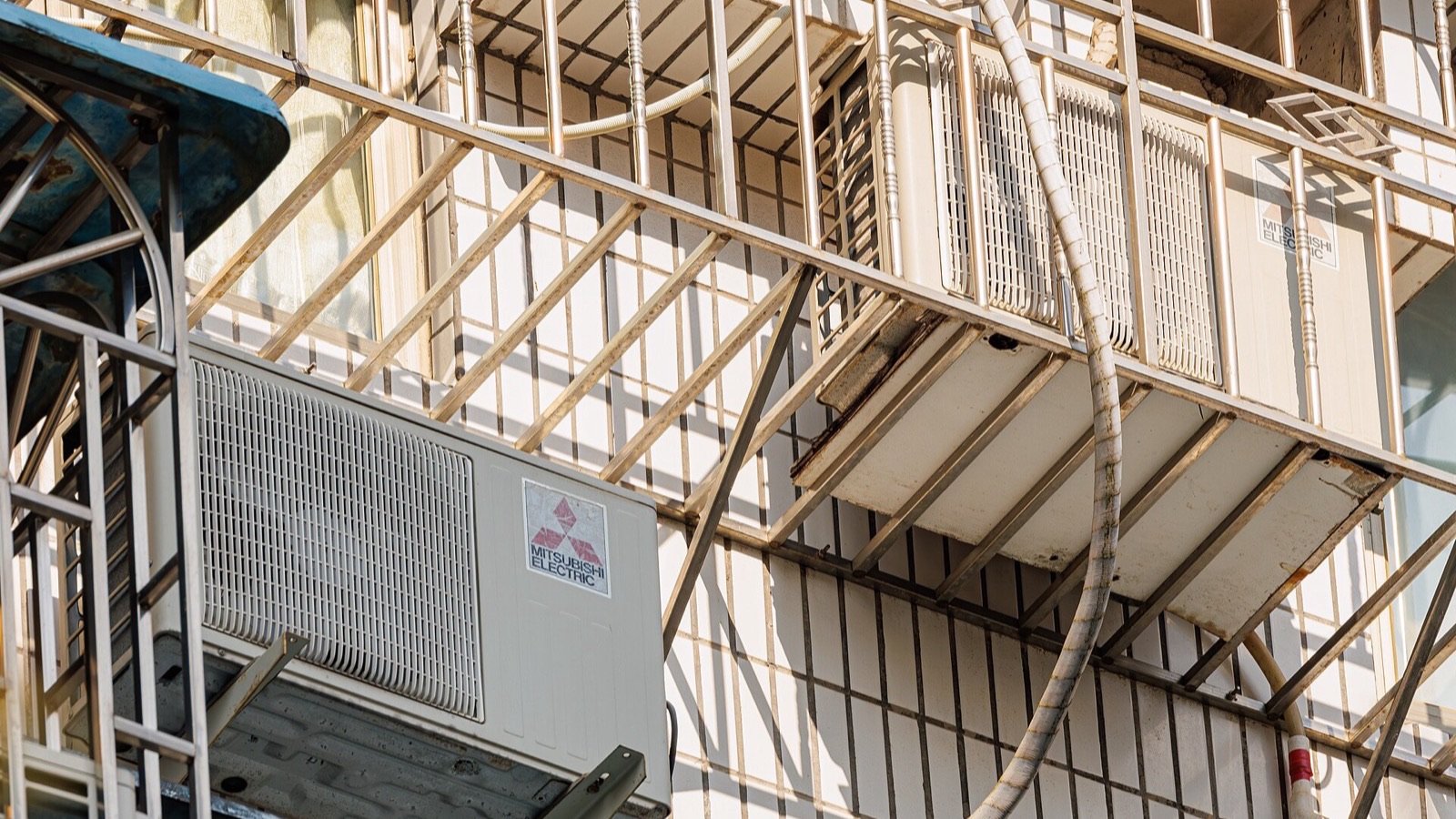
- Air-source: the most common type, moving heat between the home and the outside air. Ductless “mini-split” versions serve homes without ducts.
- Geothermal (ground-source or water-source): moves heat between the home and the ground or a nearby water source. DOE says these cost more to install but have low operating costs because ground and water temperatures are relatively constant.
- Hybrid set-ups: the IEA notes heat pumps can be combined with other heating systems, commonly gas.
Common problems
- Doubts about cold climates. DOE says air-source units were long avoided in places with extended subfreezing temperatures but are now a legitimate option there thanks to technical advances. The IEA’s executive summary reports that 60% of buildings in Norway have heat pumps, and over 40% in Sweden and Finland.
- The wrong size. Savings depend on choosing a heat pump that matches the home, DOE’s Office of Policy says, and poorly insulated homes need larger equipment. Insulation and air sealing can make a heat pump up to $3,700 cheaper to buy and install, on average, for homes built before 1970 in cold climates.
- Higher upfront cost. The IEA says heat pumps cost more upfront, but the average household or business using one spends less on energy than one with a gas boiler, offsetting that cost in many markets.
- Electricity prices. Electric rates vary widely across the US, DOE notes, though a heat pump’s efficiency can help households save even when rates are high. Savings are generally largest for homes now heating with oil, propane or older electric equipment.
- Refrigerant leaks. Unintended leaks of F-gas refrigerants, which are potent greenhouse gases, can reduce the climate benefit, the IEA warns, although heat pumps still cut emissions by at least 20% compared with a gas boiler even on emissions-intensive electricity.
Corrections and tips: email the editor using the address on the Contact page.