Southeast Asia’s energy security challenge is intensifying as demand grows and the region leans more heavily on imported fuel, the International Energy Agency (IEA) said on October 5. Its new ASEAN Energy Security Review urges members of the Association of Southeast Asian Nations (ASEAN) to diversify supply, use more domestic resources and speed up electrification and efficiency.
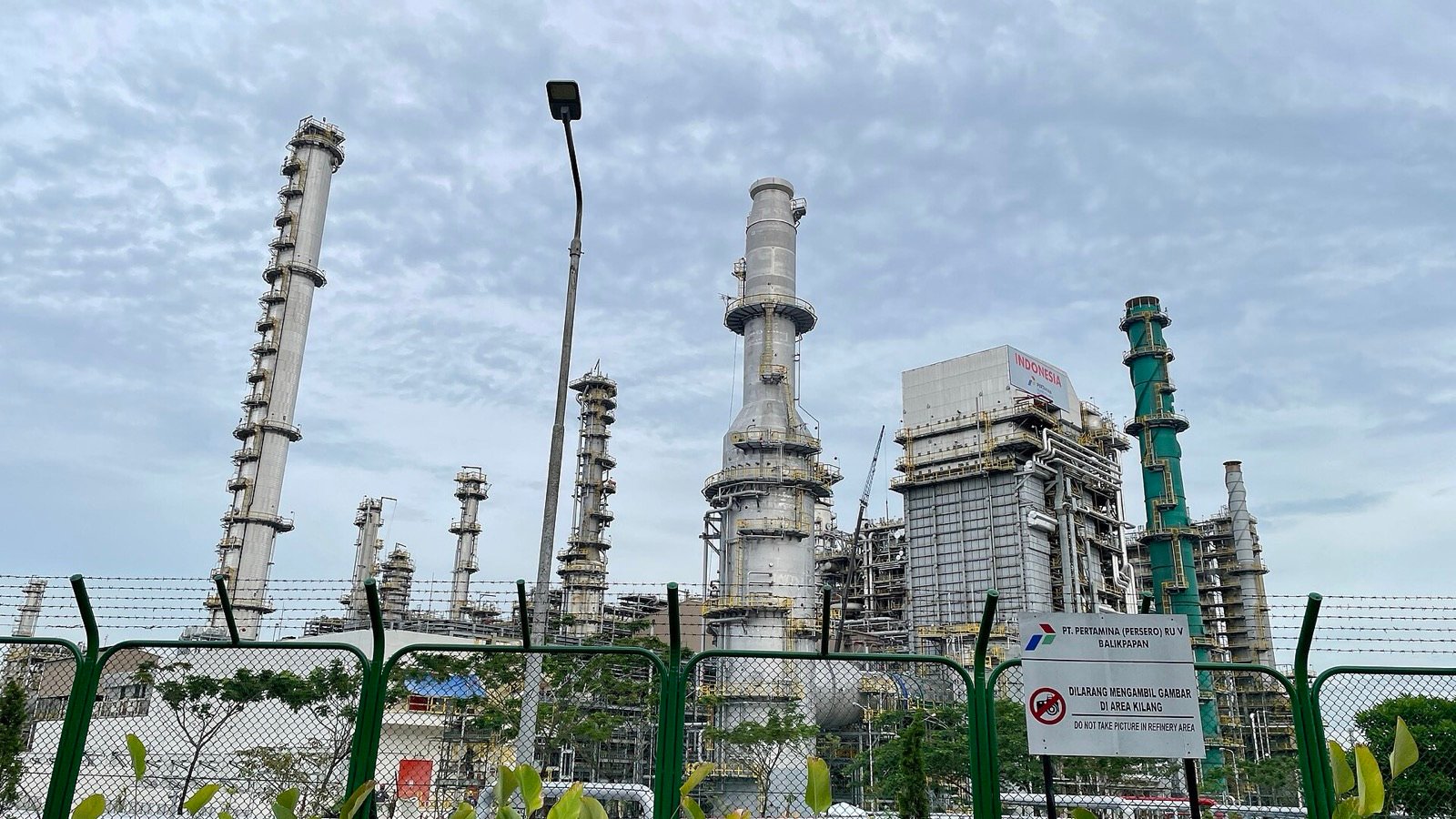
The review covers oil, gas, coal, electricity and critical minerals. According to its executive summary, energy demand per person in Southeast Asia has risen by almost 30% over the past 10 years, driven by economic growth, industrialization, urbanization and rising living standards. Regional crude oil production has fallen 40% from its 1990s peak, while crude imports have risen 30% since 2015. Growing imports of liquefied natural gas (LNG) expose several economies to swings in global prices and to infrastructure bottlenecks, the agency wrote.
The IEA’s projections point to continued growth. Electricity demand in the region is projected to rise by an average of around 5.4% a year from 2026 to 2030, supported by more cooling, expanding industry and the growth of data centers. Coal demand is projected to grow by about 4.4% a year over the same period, which the review describes as the fastest increase of any world region. Natural gas consumption is expected to grow by more than 3% a year in the coming years, and ASEAN’s net imports of oil products, the region’s most import-dependent fuel, by about 5% between 2025 and 2031.
The agency linked the review to this year’s events. In its press release, the IEA said the severe disruptions to energy flows through the Strait of Hormuz this year have underscored the importance of preparing for shocks to international fuel markets and strategic shipping routes.
The review proposes three strategies meant to reinforce each other: diversifying supply sources and routes, making greater use of domestically available resources, and accelerating electrification alongside efficiency improvements. It argues that “a holistic systems-based approach is essential” because electricity, fuels and end uses are increasingly linked. Specific recommendations include regular oil emergency exercises, a review of stockholding, a coordinated gas emergency mechanism, faster grid investment, more storage and flexible generation, and national and regional critical minerals strategies that include recycling. On gas, the review also cautions against overbuilding infrastructure.
Much of this would run through existing regional agreements, which the IEA says “should be further operationalised and strengthened.” It names four: the ASEAN Plan of Action for Energy Cooperation (APAEC) 2026–2030, the ASEAN Power Grid, the memorandum of understanding on the Trans-ASEAN Gas Pipeline, and the ASEAN Framework Agreement on Petroleum Security (APSA). On the same day, the IEA and the ASEAN Centre for Energy published a joint policy brief on policies to support battery energy storage systems.
IEA Executive Director Fatih Birol said in the release that energy security “must be built into decisions across the whole system” and that by working more closely together, ASEAN countries “can make better use of their collective resources and respond more effectively when disruptions occur.”
Why it matters
For governments and utilities in the region, the figures describe a widening gap between what Southeast Asia produces and what it consumes. As domestic crude output falls and imports rise, more of the region’s fuel supply depends on global markets and on shipping routes such as the one disrupted through the Strait of Hormuz, the risk the IEA highlights.
For businesses, the projected growth in electricity demand, driven in part by cooling and data centers, points to the investments the review lists as priorities: grids, storage, flexible generation and demand-side measures. The review also says: “Energy efficiency is often the most cost-effective means of strengthening energy security.” It recommends harmonized standards, stronger compliance, and smart meters and time-of-use pricing to unlock demand flexibility.
What to watch
The IEA said it would present the review’s key findings to ASEAN energy ministers at their meeting in Manila on October 7. The next test is whether members turn the recommendations into working arrangements under APAEC and APSA, such as regular emergency exercises and the coordinated gas emergency mechanism under APSA that the review proposes.
The caveats
The growth rates are IEA projections rather than measurements, and they depend on assumptions about economic growth and policy. The review is an agency analysis, not a peer-reviewed study. The executive summary gives no end year for the projected rise in gas consumption, describing it only as growth “in the coming years.”
Corrections and tips: email the editor using the address on the Contact page.