Bismuth sulfide absorbs light strongly but holds on to charges, study finds
A Nature study led by Oxford physicists finds bismuth sulfide cuts its rate of charge loss by about 75% versus comparably absorbing materials, easing a solar trade-off.
The New Century Research Publications editorial team reports on space, physics and energy, the climate, AI and computing, and consumer technology.
A Nature study led by Oxford physicists finds bismuth sulfide cuts its rate of charge loss by about 75% versus comparably absorbing materials, easing a solar trade-off.
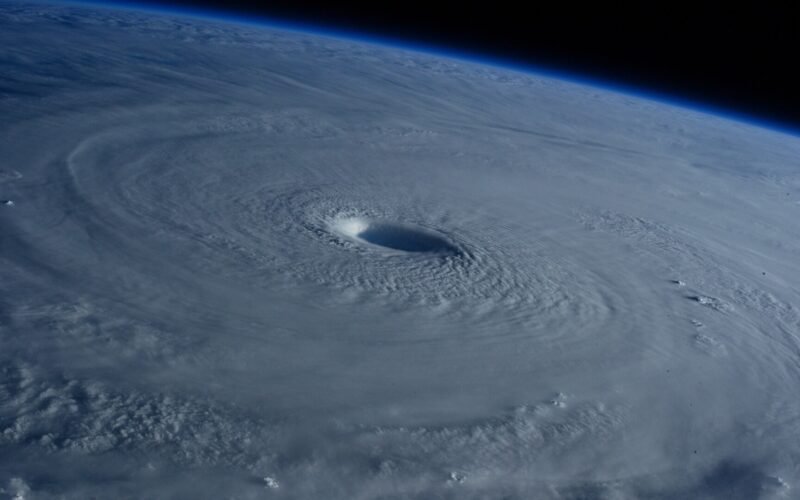
World Weather Attribution, ClimaMeter and Japanese government scientists all find warming boosted Typhoon Dujuan's September rain near Tokyo, with estimates ranging from 5% to 40%.
IBM connected two 120-qubit Nighthawk processors with four cable links and moved quantum states between them at 99% average fidelity, according to a preprint not yet peer reviewed.
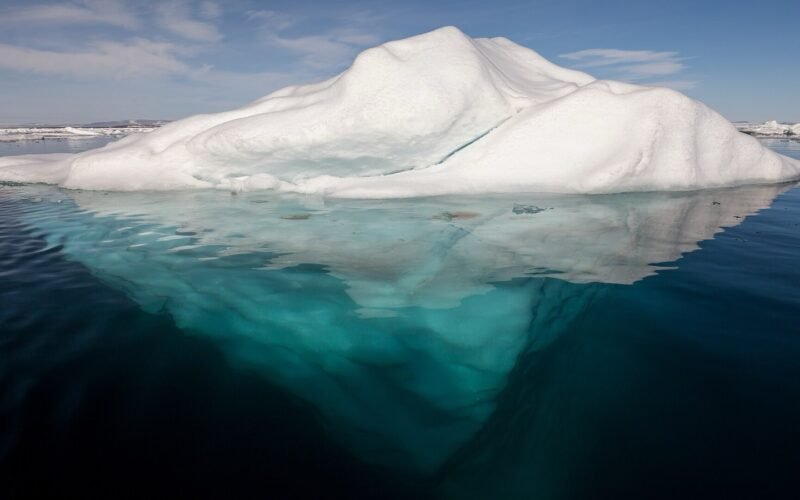
Iceberg A-81, about 1,550 square kilometers in size, has drifted from Antarctica's Brunt Ice Shelf to the edge of South Georgia's shallow shelf, where satellite images show it slowing.
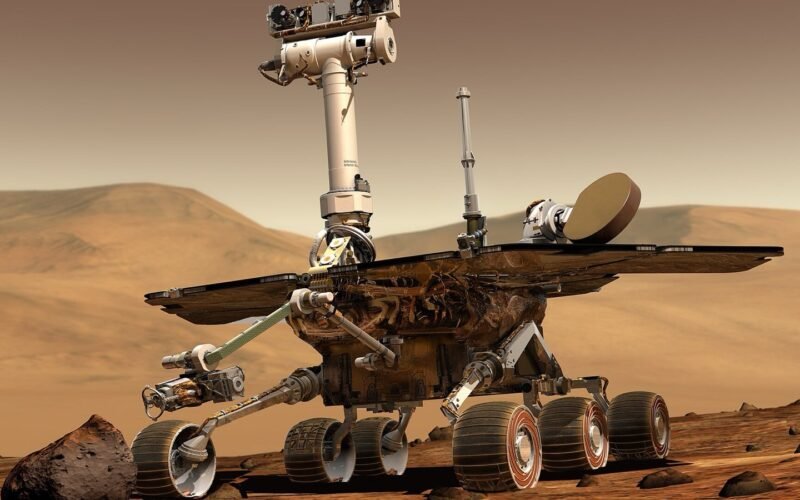
A peer-reviewed PNAS study using NASA's Perseverance rover found Martian dust particles as small as about 100 nanometers clinging to spacesuit materials, with implications for crews.
Large language models learn by predicting the next token across vast amounts of text, then are fine-tuned with human feedback. Here is each stage, drawn from the original papers and NIST guidance.
Apple's new iPad mini has an 8.5-inch OLED display, the A20 Pro chip, IP67 water and dust resistance and a 5.4 mm body. It starts at $699, with pre-orders from October 28.
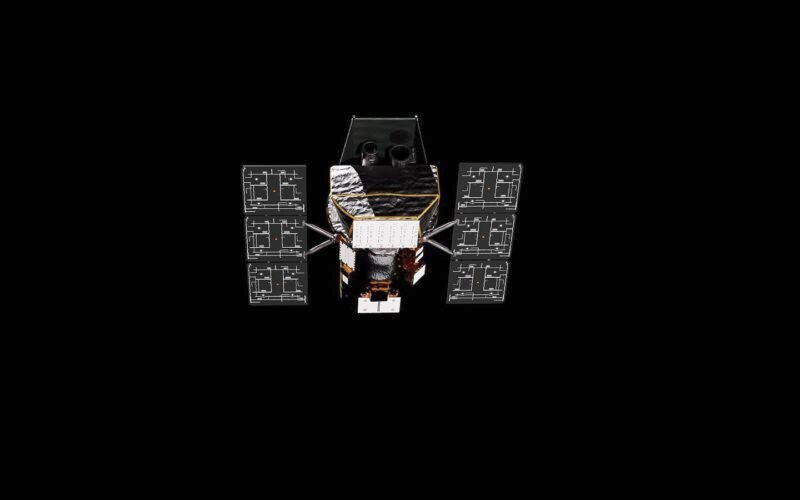
NASA's Swift observatory has ended science operations after atmospheric drag pulled it below 171 miles. A commercial boost attempt failed, and re-entry is expected within weeks.
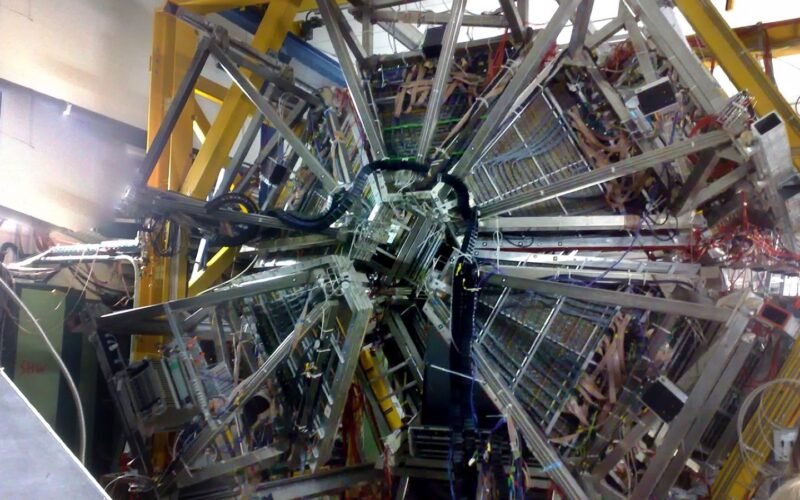
The STAR experiment reports a 20% suppression of energetic particles in oxygen-oxygen collisions at 200 GeV, strong evidence of jet quenching in a small collision system.
Why solar eclipses happen only a few times a year, what observers see from first contact to totality, and NASA's dates for the next total solar eclipses in 2027, 2028 and 2030.
A superconducting chip from startup Great Sky processed tokamak data at one million samples per second in tests led by Brookhaven National Laboratory. No paper has been published yet.
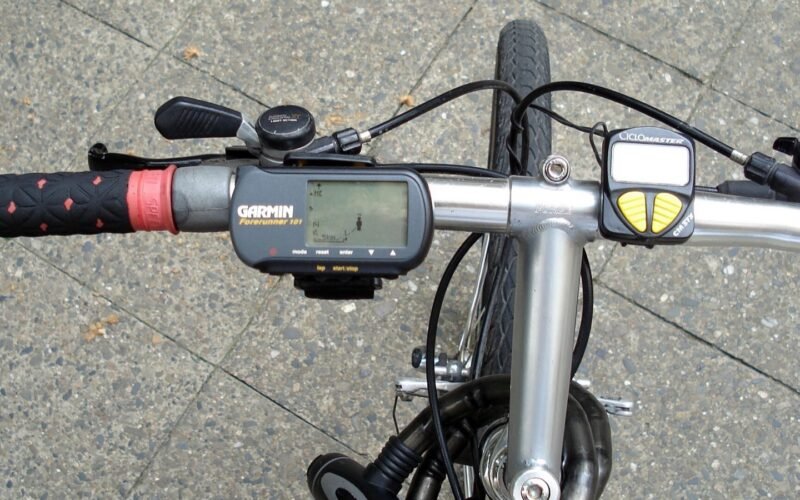
Garmin's $799.99 Edge 1060 lets cyclists ask for routes, report hazards and hear ride stats by voice. Two cheaper Edge Explore 3 models launched the same day.